

The Navigator
On the gap between when things break and when we feel them and what it takes to still be sailing when they heal
"The pessimist complains about the wind. The optimist expects it to change. The navigator adjusts the sails."
- William Arthur Ward
There is a particular kind of investor who never gets the credit they deserve.
Not because they are wrong. They are usually right. But they are right in the way that makes other people uncomfortable, quietly, patiently, without the drama that markets reward. They read things nobody reads. They track data nobody tracks. They sit with uncomfortable conclusions for months before anyone else is willing to entertain them.
And when the world catches up, the story gets rewritten. It was obvious, people say. Anyone could have seen it coming. The navigator nods and says nothing, because they have learned that explanation is its own form of exhaustion.
This essay is about that person.
In The Last Ship, I wrote about the gap between when things break and when we feel them. This essay is about the person who learned to live inside that gap and what it cost them.
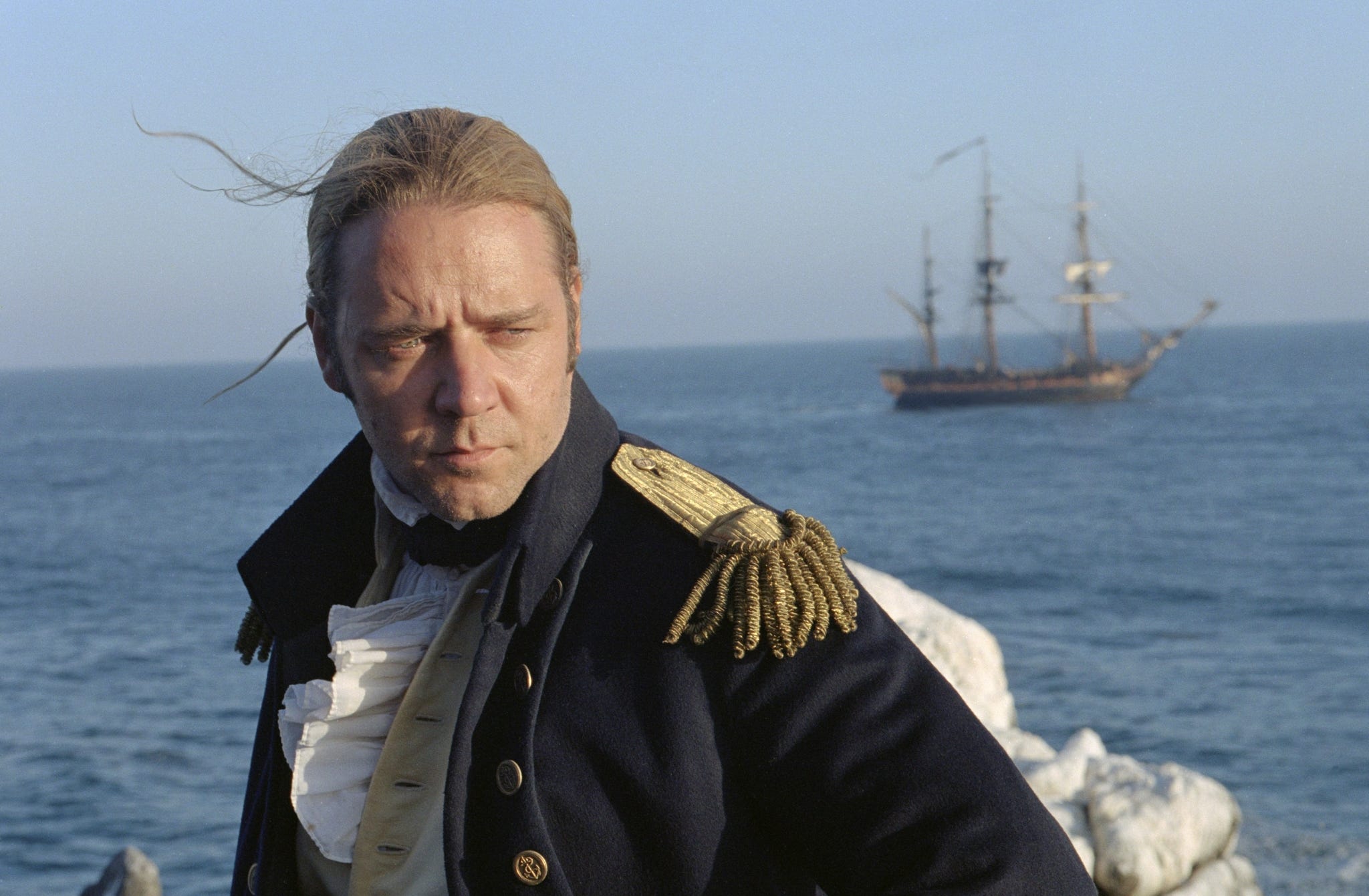
I. The Gap Is the Mechanism
In January of this year, a small number of analysts quietly went long Brent crude. Not because of the news. Because they were watching a different set of numbers — vessel traffic data, floating storage drawdowns, insurance market signals — and those numbers were telling a story the headlines had not yet begun to tell.
They were watching the second derivative.
Not whether things were getting worse. Whether they were getting worse more slowly. It is a subtle distinction and most investors never make it. They wait for confirmation. They act after the fact, when the evidence is overwhelming and the opportunity is gone.
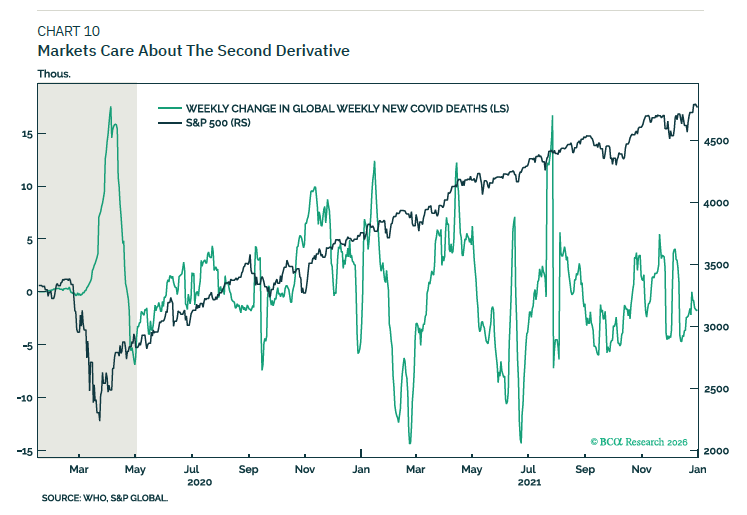
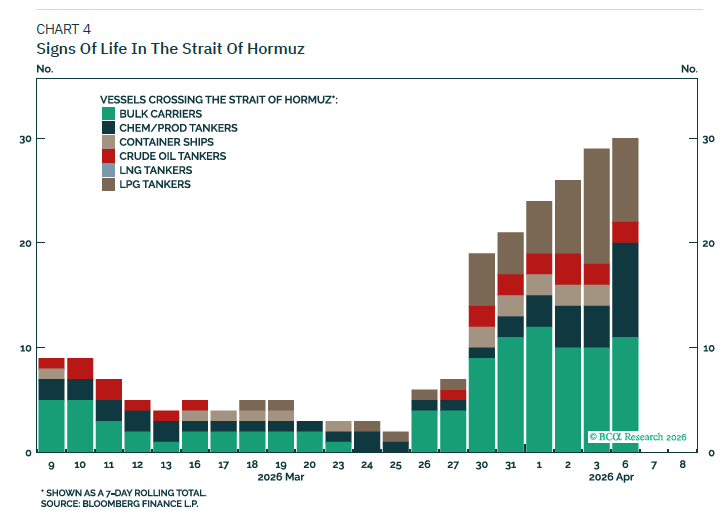
The navigator acts before the fact, when the evidence is thin and the opportunity is large. This is not genius. It is one specific cognitive habit: the ability to read what is behind the arriving ships rather than being reassured by their arrival.
The last ships keep coming. That is the thing about the air pocket. It does not announce itself. The cargo keeps arriving, the berths keep filling, the numbers keep looking reasonable. And somewhere in the middle of the ocean, there is nothing behind the last ship. The hose has been kinked for weeks. But you cannot see it yet, because the system has momentum, and momentum feels like health.
This is not a story about oil.
It is a story about the structure of how complex systems absorb damage and how long they can look intact while quietly failing. The gap between when things break and when we feel them runs through energy markets and geopolitical crises and careers and relationships and the human body. It is not a bug. It is a feature. And the investors who understand it as a feature — who position inside the gap rather than waiting for it to close — have an advantage that compounds quietly, invisibly, right up until the moment it doesn’t look quiet or invisible at all.
The navigator’s framework came from reading things that felt useless at the time. The history of the tanker wars. Lloyd’s of London pricing risk on Persian Gulf vessels in the 1980s, where the gap between the insurance market and the physical market was itself a signal. The slow, invisible decline of the US Merchant Marine, backbone of American power after World War II, allowed to atrophy over fifty years while nobody noticed, because the oceans were safe and safe things become invisible.
When the conflict began in late February, Lloyd’s pulled the reinsurance umbrella for vessels transiting the Persian Gulf. Not because the risk was uninsurable. Because the intelligence networks had gone dark. No allied warning. No Five Eyes intelligence flowing to the actuaries who needed it to do the math. And without the math, the coverage couldn’t be written. And without the coverage, the ships couldn’t sail.
Not because of Iranian missiles. Because of spreadsheets.
The navigator had read about this mechanism years earlier, in the shipping forums and maritime journals that nobody else was reading. When it happened, it was not a surprise. It was confirmation. And confirmation, when you have been waiting years for it, feels less like triumph than relief.
II. The Ceasefire Is Not Resolution
Then the ceasefire came.
Trump announced a two-week suspension of strikes. Iran confirmed it. Markets exhaled. The short squeeze loaded in futures markets before the ink was dry. On every financial channel, the same word appeared: resolution.
The navigator read the statement carefully. Then read it again.
Something was missing.
The US position had always been full and unconditional, toll-free resumption of shipping, the strait as it existed before the last ship docked. Iran’s position was different. Iran had earned, at enormous cost, a claim to decide who passes through its waters. That leverage was not something it intended to simply return. The ceasefire said nothing about resolving that gap. It papered over it. Two weeks of not shooting, while the fundamental disagreement about who controls the world’s most important waterway remained exactly where it had always been.
This was not resolution. It was a hostile peace.
And a hostile peace has its own air pocket, running not toward fear, but toward false comfort. The ships would return, but slowly. Shippers need reassurance through actual agreement with Iran, not just an American statement. The insurance market, which collapsed in days, rebuilds in weeks. The bypass infrastructure damaged in the fighting does not repair itself because two governments agree to stop shooting for a fortnight.
The navigator trimmed the recovery trade. Took the short squeeze on the way up. Did not chase it to a conclusion the physical data didn’t yet support.
The second derivative had turned. But the world being built in the wake of the last ship looked nothing like the world before it docked.
The Last Ship ended with a question: are you building something that deserves to survive? The ceasefire arrived and seemed to answer it. The navigator wasn't so sure.
III. The Structural Trades Survive
Here is what the closure revealed that a ceasefire cannot unreveal.
A single asymmetric actor can hold the global economy hostage through cheap drones and geographic fortune. The petrodollar system, Gulf states recycling oil surpluses into American financial assets in exchange for security guarantees, has been credibility-shocked in ways that will take years to manifest. The US maritime industrial base has been hollowing out since Nixon, and the hollowing is now visible to everyone.
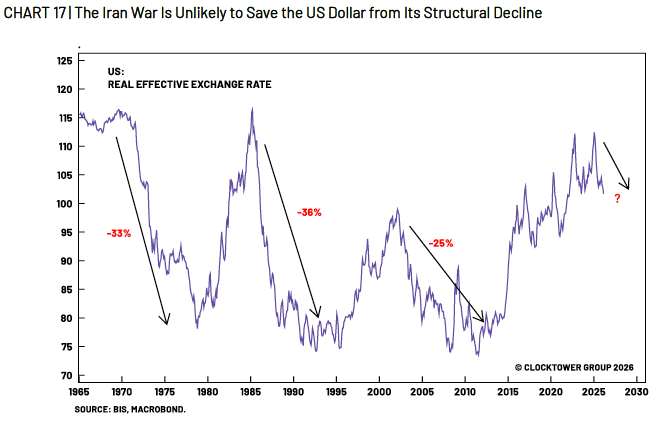
A hostile ceasefire fixes none of this.
Germany knows it. Friedrich Merz has called the nuclear phaseout a catastrophic mistake. That is not a policy adjustment. It is a civilisational reckoning, a country that built its modern identity around rejecting nuclear power, looking at what happens when your energy supply chains can be severed by someone you cannot control, and deciding it got it wrong. Japan, South Korea, Saudi Arabia, Poland, each running the same calculation, each arriving at the same answer.
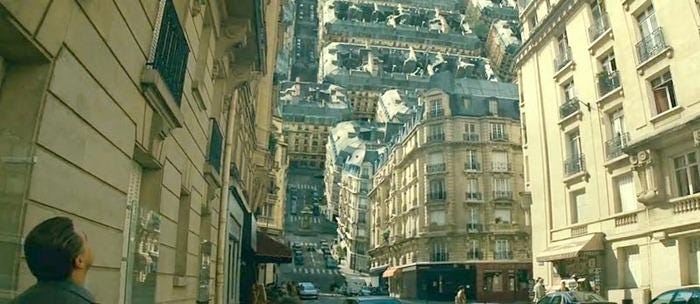
Energy security is worth a premium. And the cleanest, most geographically sovereign, most chokepoint-immune form of energy on earth is nuclear.
The nuclear thesis is not complicated once you understand the structure. The market has been in structural deficit since 2018. The crisis has added three demand vectors on top of an already tight supply situation: energy security, nuclear proliferation among middle powers who have watched this conflict and drawn their own conclusions, and the urgent de-Russification of the European nuclear fuel cycle, Russia held thirty-eight percent of EU enrichment capacity when this began, and Brussels has committed to ending that dependence.
The navigator was positioned before the crisis. Not because the crisis was predicted, but because the structural setup was already compelling. The crisis collapsed the timeline. Removed the waiting. Turned a slow thesis into an urgent one.
This is the pattern. The navigator doesn’t need the crisis to be right.
The crisis just removes the waiting.
The hero’s journey ends with a return. The navigator leaves the ordinary world, crosses into something dangerous, survives the ordeal, and comes back carrying something that was not available before.
What the navigator carries back is not a trade. It is a framework. The ability to read the second derivative. To track the physical when the paper has diverged. To know that the gap between when things break and when we feel them is where the most important decisions get made, quietly, in the ordinary weeks when the cargo is still arriving and the asking is still uncomfortable.
And one more thing.
The knowledge that the world being built in the wake of the last ship is not a restoration of what came before. It is something genuinely new. More expensive, more redundant, more nuclear, more multipolar. Built plank by plank, in decisions being made right now, in long-term LNG contracts between Australian producers and East Asian utilities who have decided that supply security is worth paying for, in small modular reactor applications stacking up in energy ministries from Warsaw to Riyadh, in the slow, imperfect reconstruction of an American maritime industrial base that should never have been allowed to rust.
The navigator sees it. Has been positioned for it. And when the hostile ceasefire frays, when the real negotiation begins over who controls the most important twenty-one miles of water on earth, the navigator will not be surprised.
Because this was always going to be the shape of it.
Not a clean ending.
A new sea, opening.
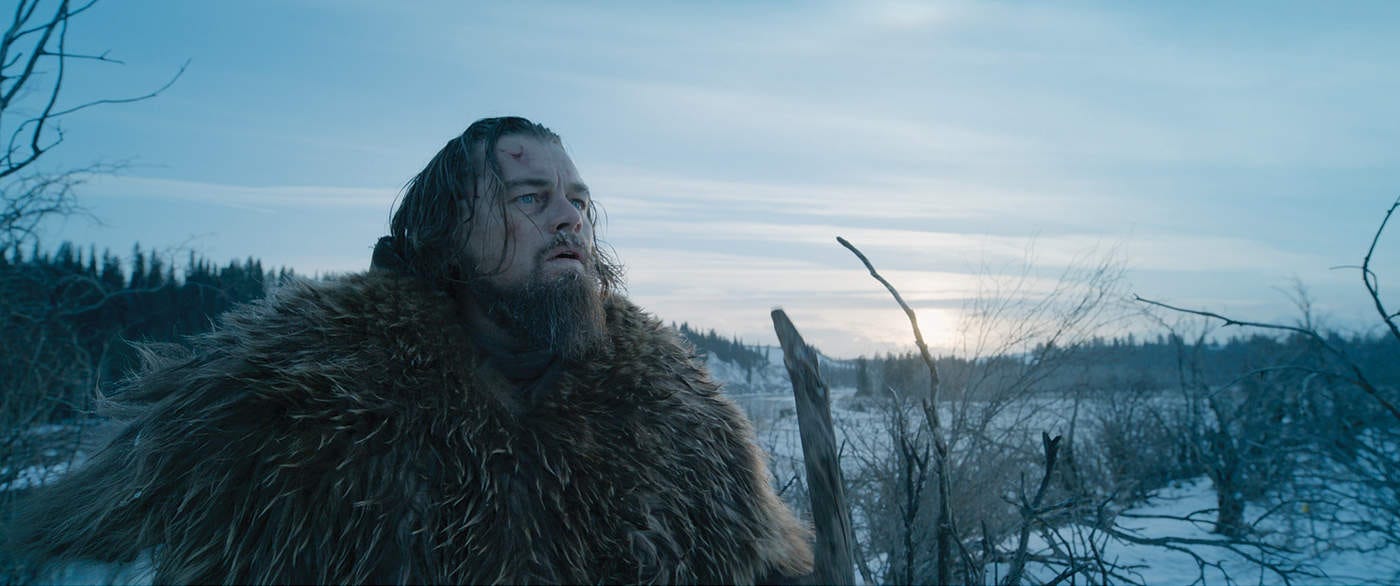
The ceasefire came. The last ships of maximum fear are docking. Behind them, new ones are already loading, quietly, carrying different cargo, bound for a world the old maps don't show. The question was never whether you saw it coming. It was always whether you built something worthy of the crossing.
“It’s not what you look at that matters, it’s what you see.”
- Henry David Thoreau
If this essay changed what you see, share it with someone who is still looking at the same old maps.
Disclaimer : This article is for informational purposes ONLY and does not constitute financial advice or constitute investment advice or a recommendation to buy or sell any security. Investors should conduct their own due diligence.
Most people wait for the storm to arrive before they believe the sky changed. The navigator is already adjusting while the water still looks calm, which makes him look early right up until he suddenly looks inevitable.
What’s interesting here is the focus on that quiet in-between. Systems still functioning, ships still arriving, numbers still behaving. It feels like health, but it’s really momentum coasting on damage that hasn’t surfaced yet. That’s where the real decisions get made, in that uncomfortable stretch where nothing looks broken and everything already is.
As a sailor I appreciate this, - I know we are in hurricane season- all the sign are there, this is the calm. Too calm even knowing there is that big gap- From 100 ships a day to 25-30 since Feb 28th.?